As winter tightens its grip, the phrase “UK braced for significant snowstorm bringing potential white Christmas” has started circulating widely—and for good reason. Weather patterns across the North Atlantic and Europe are aligning in a way that could deliver one of the most memorable festive seasons in years. While snow at Christmas is often more fantasy than fact in much of the UK, current conditions suggest this year could be different.
In this in-depth article, we’ll break down what’s driving the snowstorm predictions, which areas could be most affected, how a white Christmas could impact travel and daily life, and what households should realistically expect. Written casually but backed by expert-level insight, this guide aims to give you clarity without hype—just smart, weather-wise context.
Why the UK Is Bracing for a Significant Snowstorm
The UK’s weather is famously unpredictable, but significant snowstorms don’t happen without clear atmospheric signals. This winter, meteorologists are closely watching a combination of Arctic air intrusions and shifting jet stream patterns that increase the likelihood of widespread snowfall. When cold air from the north meets moist Atlantic systems, snow becomes a real possibility rather than a long shot.
One key factor is the weakening and meandering of the jet stream. Normally, this fast-moving air current keeps the UK relatively mild by steering cold Arctic air away. However, when the jet stream dips south, it opens the door for freezing temperatures to settle over the country. This setup creates the perfect foundation for snow, especially when low-pressure systems move in.
Another contributor is sea surface temperature anomalies in the North Atlantic. Slight changes in ocean temperatures can influence storm tracks, moisture levels, and air mass movements. Together, these factors explain why forecasters say the UK is braced for a significant snowstorm bringing potential white Christmas—not as a guarantee, but as a serious and credible scenario.
What “Potential White Christmas” Really Means
The idea of a white Christmas carries a lot of emotional weight in the UK, but meteorologically speaking, it has a specific meaning. Officially, a white Christmas occurs if at least one snowflake is observed falling anywhere in the UK on December 25. That’s a much lower bar than most people realize.
For the public, a white Christmas usually means snow-covered rooftops, frosted fields, and a winter wonderland feel. Achieving that requires snowfall to arrive close enough to Christmas Day and cold temperatures to keep it from melting. This is where timing becomes everything.
The reason this year feels different is that cold conditions are expected to be established before Christmas, rather than arriving after. That significantly increases the odds of snow settling and sticking around. While not every region will wake up to snowdrifts, the potential is strong enough that experts are taking the possibility seriously.
Regions Most Likely to See Heavy Snowfall
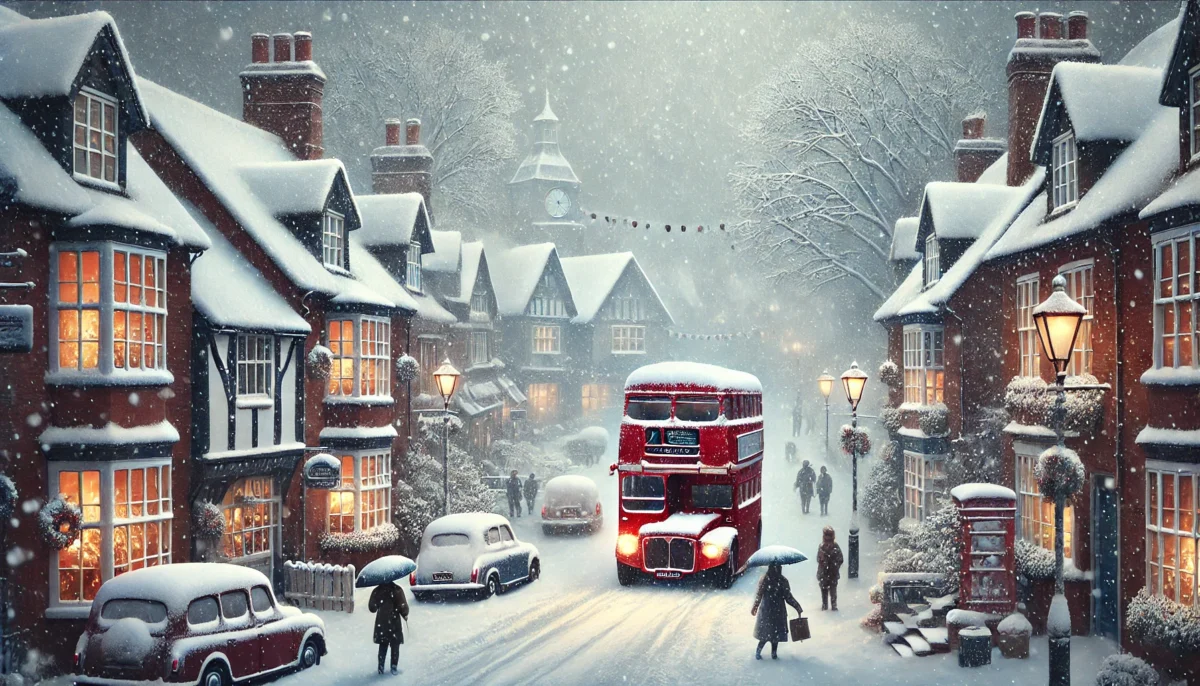
Not all parts of the UK Braced for Significant Snowstorm Bringing Potential White Christmas is no exception. Historically, northern England, Scotland, and higher elevations in Wales are more prone to snowfall due to altitude and proximity to cold air masses. These regions are often the first to see snow when Arctic air moves south.
However, what makes this situation notable is the increased chance of snow reaching southern and central areas as well. If cold air becomes firmly entrenched, even typically milder regions like the Midlands and parts of southern England could see snowfall. Urban areas may still struggle with accumulation, but brief periods of settling snow are possible.
Coastal regions tend to have slightly higher temperatures, which can limit snow accumulation. Still, if precipitation is heavy enough, even coastal towns could see snow mixed with sleet. Overall, while the entire UK may not turn white, a significant portion could experience wintry conditions worthy of attention.
Travel Disruptions and Infrastructure Challenges
Whenever the UK is braced for a significant snowstorm, travel concerns quickly move to the forefront. Snow and ice can disrupt road networks, rail services, and air travel—especially during the busy Christmas period. Even moderate snowfall can cause delays when combined with freezing temperatures.
Road conditions are often the first to deteriorate, particularly on untreated rural routes and motorways during overnight hours. Black ice is another hidden hazard that can form even when snow isn’t actively falling. Local councils prepare grit supplies in advance, but sudden or prolonged snow can stretch resources.
Rail services may face delays due to frozen points and reduced traction, while airports can experience knock-on delays from de-icing procedures. While the UK has improved its winter resilience over the years, a widespread snowstorm during peak holiday travel remains challenging. Planning ahead and allowing extra time will be essential.
Impact on Daily Life, Schools, and Businesses
Beyond travel, a significant snowstorm affects everyday life in subtle but important ways. Schools may face closures or delayed openings, especially in rural or hilly areas where access becomes difficult. Parents are often the first to feel the disruption as childcare plans need quick adjustments.
Businesses, particularly small and local ones, can see reduced foot traffic during snowy periods. However, remote work options have made it easier for many sectors to continue operating despite adverse weather. Essential services remain a top priority, and councils typically focus resources on hospitals and major routes.
On the positive side, snow can bring communities together. Neighbors help clear paths, children enjoy outdoor play, and the slower pace can feel oddly refreshing during the hectic holiday season. While disruption is real, so is the charm that snow brings when managed sensibly.
How Households Can Prepare for Wintry Conditions
Preparation makes all the difference when the UK is braced for a significant snowstorm bringing potential white Christmas. Simple steps taken early can prevent stress later. Ensuring homes are well-heated, pipes are insulated, and supplies are stocked can help households stay comfortable during cold spells.
It’s wise to check boilers and heating systems before temperatures drop significantly. Frozen pipes are a common winter issue and can cause costly damage. Keeping basic supplies like food, batteries, and medications on hand also reduces the need for unnecessary travel in icy conditions.
For those who must travel, winter emergency kits in vehicles—containing blankets, torches, and warm clothing—are a smart precaution. Preparation isn’t about panic; it’s about confidence. When you’re ready, snow becomes something to enjoy rather than fear.
Expert Outlook: How Likely Is a White Christmas Really?
So, how confident are experts that this year could deliver? While long-range forecasts are never absolute, confidence is higher than average. The persistence of cold air patterns leading up to Christmas is the key signal meteorologists are watching closely.
Rather than a brief cold snap, models suggest sustained low temperatures that allow snow to fall and remain. That significantly improves the odds compared to years where cold arrives too late or fades too quickly. Still, local conditions matter, and small shifts in weather systems can change outcomes rapidly.
In short, a nationwide white Christmas is unlikely—but a regional white Christmas is very much on the table. That alone makes this winter notable and explains why the phrase “UK braced for significant snowstorm bringing potential white Christmas” has gained so much attention.
Final Thoughts: Caution, Excitement, and Realistic Expectations
The possibility of a white Christmas taps into nostalgia, excitement, and a sense of seasonal magic. At the same time, snowstorms demand respect and preparation. This year’s outlook balances both—offering genuine wintry potential without certainty.
Whether you’re hoping for snowflakes outside your window or simply want to stay informed, understanding the factors behind the forecast helps cut through the noise. The UK may indeed be braced for a significant snowstorm, and with it, the most festive backdrop many have seen in years.